

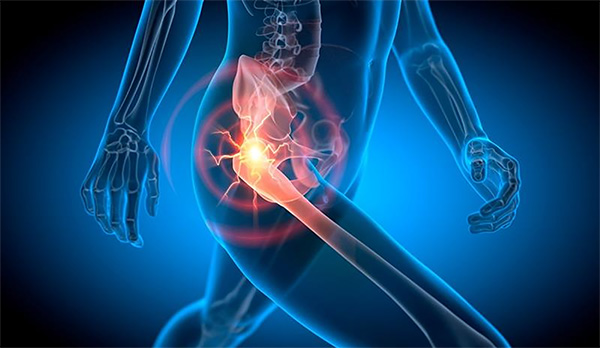
A stiff hip in the morning, a sharp pinch in your groin as you climb into the car, or an ache that wakes you at night can make you wonder whether surgery is next. Often it is not. Hip pain has many possible sources, and a careful diagnosis frequently points toward treatment that keeps you moving well before replacement ever becomes part of the conversation with your surgeon.
Where Your Hip Pain May Be Coming From
Your hip is a ball and socket joint. The top of your thighbone forms the ball, a cup in your pelvis forms the socket, and smooth cartilage lets the two glide against each other. When any part of that system is injured or worn, you can feel hip pain in your groin, the side of your hip, your buttock or even down toward your knee.
Osteoarthritis
Hip osteoarthritis is the gradual wearing away of joint cartilage. It occurs most often after age 50, although it can appear earlier, and it tends to cause stiffness, groin pain and a reduced range of motion.1
Inflammatory Arthritis
Conditions such as rheumatoid arthritis attack the joint lining rather than wearing it down. If you have inflammatory arthritis of the hip, coordinating care with your rheumatologist becomes part of your plan.
Osteonecrosis
Hip osteonecrosis happens when the blood supply to the ball of the joint is disrupted and the bone begins to weaken and collapse. Heavy steroid use, excess alcohol and certain medical conditions raise your risk. When the condition is caught before the femoral head collapses, procedures designed to preserve your own hip may be an option.2
Fractures and Injuries
A fall can break the upper thighbone near the hip. A hip fracture usually causes sudden pain in your groin or outer thigh and trouble bearing weight, and it is typically treated with surgery.
Treatment Options Short of Replacement
For arthritis, the first line of care is almost always nonsurgical. Your plan may combine several of these approaches.
Medication
Acetaminophen and medicines such as ibuprofen or naproxen can ease pain and swelling.3 Check with your primary care doctor before taking these regularly, since every medication carries side effects.
Exercise and Physical Therapy
Movement is medicine for an arthritic hip. A review of randomized trials found that land based therapeutic exercise reduced pain and improved physical function in hip osteoarthritis.4 A guided program of physical therapy for the hip can focus on stretching, core strength and stability so the muscles around your joint share more of the load.
Weight Management
Your hip carries three to five times your body weight during daily activities such as climbing stairs, and every ten extra pounds can add about fifty pounds of pressure across the joint.3 Even modest weight loss can reduce pain and make walking easier.
Injections
Cortisone injections can calm inflammation and provide relief, particularly when swelling is significant. The effect varies in length, and your doctor can only give a limited number each year.3
Activity Changes and Assistive Devices
Using a cane in the hand opposite your painful hip, switching from running to cycling or swimming, and avoiding the specific movements that trigger pain can all buy you comfortable time.
When Surgery Becomes a Reasonable Choice
Surgery enters the picture when your hip is controlling your day rather than the other way around. Signs that a total hip replacement may help include pain that limits everyday activities such as walking or bending, pain that continues while resting, stiffness that limits how well you can move or lift your leg, and inadequate relief from medication, physical therapy or walking supports.5
Age alone does not decide the question. Recommendations are based on your pain and disability, and most total hip replacements are performed between ages 50 and 80.5 For moderate to severe arthritis that has not responded to nonsurgical care, a joint guideline from the American College of Rheumatology and the American Association of Hip and Knee Surgeons recommends against delaying surgery simply to try additional nonsurgical treatment.6
Surgery is also not one single operation. Most patients are candidates for a minimally invasive hip replacement performed through smaller incisions than the traditional approach.
Getting Your Hip Evaluated in Detroit, Royal Oak or Grosse Pointe
A thorough hip evaluation starts with your history and a physical exam that checks your range of motion, strength and walking pattern. X-rays show joint space and bone changes, and an MRI can reveal early osteonecrosis or a subtle fracture that X-rays miss.
You can be seen at Henry Ford Hospital in Detroit, Henry Ford Royal Oak Medical Center or Henry Ford Cottage Medical Center in Grosse Pointe,. Bringing prior imaging, a list of your medications and notes on which treatments have helped or failed makes your first visit far more productive.
Frequently Asked Questions
Do you always need surgery for hip arthritis?
No. Most hip arthritis is treated first with medication, exercise, weight management, injections and activity changes. Surgery is considered when these no longer control your pain or protect your daily function.3
How do you know if your hip pain is arthritis or something else?
An exam and X-rays usually confirm arthritis. If your X-rays look normal but pain persists, an MRI can help identify osteonecrosis, a stress fracture or another cause.
Can exercise really help an arthritic hip?
Yes. Randomized trials show that therapeutic exercise reduces pain and improves function in hip osteoarthritis.4
How long does a hip replacement last?
Current data suggest about a 90% to 95% chance that a hip replacement lasts 10 years and an 80% to 85% chance it lasts 20 years.7
Where can you see a hip surgeon in Detroit, Royal Oak or Grosse Pointe?
Hip care is available at Henry Ford Hospital in Detroit, Henry Ford Royal Oak Medical Center and Henry Ford Cottage Medical Center in Grosse Pointe.
Taking the Next Step for Your Hip
Hip pain rarely improves by guessing at its cause. A clear diagnosis helps you choose between therapy, injections and surgery with confidence. When you are ready, you can request an appointment for a hip evaluation at the location most convenient for you.
References
1. American Academy of Orthopaedic Surgeons. Hip Osteoarthritis. OrthoInfo.
2. American Academy of Orthopaedic Surgeons. Osteonecrosis of the Hip. OrthoInfo.
3. American Association of Hip and Knee Surgeons. Relieving Hip Pain Without Surgery.
5. American Academy of Orthopaedic Surgeons. Total Hip Replacement. OrthoInfo.
7. American Association of Hip and Knee Surgeons. Total Hip Replacement.
Michael A. Charters, MD, is an orthopaedic surgeon who specializes in hip and knee replacement and robotic knee replacement. He also specializes in minimally invasive and revision hip and knee replacement and partial knee replacement. His clinical interests include multimodal pain management and rapid recovery after joint replacement, and his research focuses on improving outcomes. He practices at Henry Ford Hospital in Detroit, Henry Ford Royal Oak Medical Center and Henry Ford Cottage Medical Center in Grosse Pointe.